
The conventional name for this iconic and one of the most famous poems by Nikolai Gumilev is “The Lost Tram”. Call it “The Stray Tram”, not “Lost.” Заблудившийся means “gone astray,” a vehicle off its route, still in motion but no longer guided by rails or grid. That nuance matters and it is the essence of the poem. Gumilev’s tram isn’t missing; it is derailed history, a mass carriage seizing power from the storm and careening through space and time while the rider pleads with the driver to stop.
From the first stanza, omens (crows, thunder, stray music) announce a world out of joint. A tram “flies” into an “unknown street,” and the speaker finds himself on its step—half choice, half compulsion: “How I dared to leap aboard / was just a mystery outright.” The dread refrain—“Stop the carriage, at any cost!”—addresses not a machine but an authority. The driver is the governing power, a late Pugachyov at the controller, steering a state carriage onto an illegitimate route. The tram is communal by design; in civil war it becomes the instrument of the new collective will. The speaker knows he has boarded the bandwagon he distrusts. The poem will measure the cost of that lucid complicity.
The vehicle immediately breaks chronology and geography: it clanks over “three bridges,” crosses Neva, Seine, and Nile, then a beggar who “died last year” looks in as the tram passes. Time has been shattered; the dead mingle with the living; Petersburg dissolves into a global convulsion. Gumilev’s image is deliberately anti-domestic: bridges, crossings, windows—thresholds everywhere, arrivals nowhere. The tram’s motion is the experience of history when institutions no longer check it.
What follows is one of Gumilev’s cruelest juxtapositions: a greengrocer’s that now sells heads “instead of cabbage and rutabagas.” This is the market logic of terror: bureaucratized killing slid across the counter like produce. The speaker’s own head is there “in a slippery box,” removing any safe vantage. We are not watching history from the curb; we are implicated in its inventory.
Against this mechanized, masculinized force, Gumilev sets two orders of the feminine. The first is the Empress—Catherine as a figure of lawful, benevolent power. The speaker remembers going to “present myself to the Empress,” a counter-image to the Bronze Horseman: order as patronage and care rather than sheer coercion. The second is Mashen’ka, who “wove a carpet” like a Russian Penelope. She is the domestic fidelity that builds and keeps; the tram tears by. The confession is brutal: when Mashen’ka was “moaning in [her] chambers,” he chose ceremony instead—“I… went to present myself to the Empress / and never saw you again.” Personal failure rhymes with public catastrophe. The masculine engine of history pulls him past the small lane, the “three-window house,” the human scale of love; by the time he looks back, he is commissioning both a prayer for Mashen’ka and his own funeral service at St. Isaac’s. Even church arrives too late.
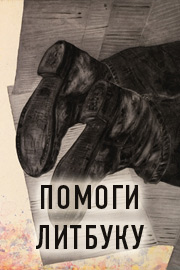
The Horseman returns, shattered into assaultive fragments: “the horseman’s hand in a gauntlet—and the two hooves of his rampant horse.” This is Pushkin’s Bronze Horseman broken into blows. The tram’s driver and the Horseman share one grammar of force; together they sketch the poem’s masculine pole: usurped guidance, mechanized velocity, coercive order.
By contrast, the poem’s metaphysical pivot refuses willpower rhetoric. “Our freedom is light from the center, / Beaming from there…” Freedom is received, not manufactured; it arrives like grace. That line falls beside the “ticket window” where you can “buy a pass… to India of the Spirit,” and near the “zoological garden of planets.” Critics sometimes mystify these as occult keys; Gumilev ridicules them as kiosk mysticism. The “planetary zoo” is not a revelation but an exhibit, a menagerie for a generation infatuated with theosophy, astrology, and séance culture. After World War I—where Gumilev volunteered from day one and earned two Crosses of St. George—such packaged transcendence looks like merchandised salvation, the same street’s mirror to the greengrocer’s commodified death. You can buy a pass to a themed cosmos; freedom breaks in unbought.
Threaded through all this is biography without reduction. Gumilev could have remained abroad; he returned, tried to serve Russian culture while despising Bolshevik power, and was executed in 1921. The poem’s rider mirrors that paradox: warning the driver yet boarding the tram, longing for Mashen’ka yet letting ceremony and history pull him past her door. The refrain “Stop” is the poem’s impossible prayer; its failure is the poem’s plot.
What finally remains is not rescue but grief’s knowledge. After the Horseman’s gauntlet, after the petitions at St. Isaac’s, after the market of death and the kiosk of salvation, the closing confession arrives almost simply: “And yet my heart is forever gloomy… I never assumed / that I was able so to love and grieve.” Love survives—but only as pain—once the tram has run through. That is why Stray matters: not because the vehicle is missing, but because it has abandoned guidance. Gumilev’s poem refuses the consolations of mysticism and the triumphalism of power alike. Between the Horseman’s iron and Mashen’ka’s weaving, he places a rider who knows he should have stayed home, knows he got on anyway, and knows—too late—that grief measures love’s size.
Here is the closest translation of this great poem.
THE STRAY TRAM
by Nikolai Gumilev
Along an unknown street I wandered
And heard the crows’ alarm and scram,
The tinkle of lutes, and the distant thunder,
I saw – in front of me flew a tram.
To leap on board — how could I dare —
Was just a mystery outright,
The tram left a fiery trail in the air,
Visible even in plain daylight.
Its winged dark storm, having no rival,
In the abyss of time it was lost…
You have to put on the brakes, tram driver,
Stop the carriage, at any cost!
It is too late. We’ve turned the corner,
Overshooting the palm-grove isle,
Clanked on the three bridges, passing over,
Crossing the Neva, the Seine, the Nile.
And the old beggar flashed past the frame and
Watched us disappear along the route —
He was, without a doubt, the same one
Who last year died in Beirut.
Where am I? Anxious, languid, impatient,
I hear my heart beat in reply:
Buy a pass here at the station,
To India of the Spirit, buy.
See — a shop sign… the bloodshot letters
Say — “Greengrocer’s” — I know; instead
Of cabbage and rutabagas
They are selling the heads of the dead.
In a red shirt, with a face like an udder,
The executioner chopped off — mine,
There it lay, alongside the others,
In a slippery box, on the bottom line.
A wooden fence, and a lane no wider,
A three-window house and a grayish lawn…
You have to put on the brakes, tram driver,
Stop the carriage, and don’t drive on!
Mashen'ka, you lived and sang down here,
You wove a carpet for me, your groom,
Where are your voice and your body, dear?
Could it be that your death is true?
When you were moaning in your chambers,
At that time, I, with my powdered braid,
Went to present myself to the Empress,
And never saw you again, my friend.
Our freedom is light from the center,
Beaming from there, as by now I knew,
People and shadows stand at the entrance
To the garden of planets’ zoo.
The wind, familiar, sweet — is haunted,
Across the bridge on a collision course
The horseman’s hand flies at me in a gauntlet —
And the two hooves of his rampant horse.
The stronghold of Orthodoxy, so faithful,
St. Isaac’s is carved into the sky,
There, a prayer for Mashen'ka’s health, and
My funeral service — to order shall I.
And yet my heart is forever gloomy,
It’s hard to breathe and painful to live…
Mashen’ka, I was never assuming
That I was able so to love and grieve.
ЗАБЛУДИВШИЙСЯ ТРАМВАЙ
Шел по улице я незнакомой
И вдруг услышал вороний грай,
И звоны лютни, и дальние громы, —
Передо мною летел трамвай.
Как я вскочил на его подножку,
Было загадкою для меня,
В воздухе огненную дорожку
Он оставлял и при свете дня.
Мчался он бурей темной, крылатой,
Он заблудился в бездне времен..
Остановите, вагоновожатый.
Остановите сейчас вагон.
Поздно. Уж мы обогнули стену,
Мы проскочили сквозь рощу пальм,
Через Неву, через Нил и Сену
Мы прогремели по трем мостам.
И, промелькнув у оконной рамы,
Бросил нам вслед пытливый взгляд
Нищий старик, — конечно, тот самый,
Что умер в Бейруте год назад.
Где я? Так томно и так тревожно
Сердце мое стучит в ответ:
Видишь вокзал, на котором можно
В Индию Духа купить билет.
Вывеска... кровью налитые буквы
Гласят — зеленная, — знаю, тут
Вместо капусты и вместо брюквы
Мертвые головы продают.
В красной рубашке, с лицом как вымя,
Голову срезал палач и мне,
Она лежала вместе с другими
Здесь, в ящике скользком, на самом дне.
А в переулке забор дощатый,
Дом в три окна и серый газон…
Остановите, вагоновожатый,
Остановите сейчас вагон.
Машенька, ты здесь жила и пела,
Мне, жениху, ковер ткала,
Где же теперь твой голос и тело,
Может ли быть, что ты умерла!
Как ты стонала в своей светлице,
Я же с напудренною косой
Шел представляться Императрице
И не увиделся вновь с тобой.
Понял теперь я: наша свобода —
Только оттуда бьющий свет,
Люди и тени стоят у входа
В зоологический сад планет.
И сразу ветер знакомый и сладкий,
И за мостом летит на меня
Всадника длань в железной перчатке
И два копыта его коня.
Верной твердынею православья
Врезан Исакий в вышине,
Там отслужу молебен о здравьи
Машеньки и панихиду по мне.
И все ж навеки сердце угрюмо,
И трудно дышать, и больно жить…
Машенька, я никогда не думал,
Что можно так любить и грустить.
(1920)
(И еще два перевода, без комментариев.)
THE MAGIC FIDDLE
Dear boy, you are so joyful – and your smile begins to glow,
Do not seek this poisoned pleasure, making planets go astray,
What is hidden in this fiddle – you don’t know, you don’t know,
What it’s like – this murky horror of the starter of the play!
He who one day took this fiddle in commanding hands has found,
That his eyes have lost forever their serene and gentle gaze,
The infernal spirits gladly listen to these royal sounds,
And the rabid wolves are roaming on the fiddlers’ haunted ways.
These strings always should be singing, weeping, ringing with emotion,
And the frantic bow will ever in your fingers beat with zest,
In the sunshine, in the blizzard, and amid the roaring ocean,
When the East is set on fire, when a-flaming is the West.
You’ll get tired and slow down, cease your singing for a second,
After that you won’t be able to cry out, move, or breathe —
Rabid wolves will turn bloodthirsty — and at once in frenzy threaten,
Put their paws upon your chest and rip your throat with their teeth.
You will understand: the evil ridiculed all that was singing,
A belated, mighty fear will look deep into your eye,
And the death-chill, like a shroud, to your body will be clinging,
While the friend will start to ponder, and the bride will start to cry.
Go, boy! No joy, no treasure you will meet in these strange quarters,
But I see that you are laughing; eyes are beaming in their depth,
Here — possess the magic fiddle; look into the eyes of monsters,
Die the noble death of fiddlers, die the dreadful fiddler’s death!
ВОЛШЕБНАЯ СКРИПКА
Милый мальчик, ты так весел, так светла твоя улыбка,
Не проси об этом счастье, отравляющем миры,
Ты не знаешь, ты не знаешь, что такое эта скрипка,
Что такое тёмный ужас начинателя игры!
Тот, кто взял её однажды в повелительные руки,
У того исчез навеки безмятежный свет очей,
Духи ада любят слушать эти царственные звуки,
Бродят бешеные волки по дороге скрипачей.
Надо вечно петь и плакать этим струнам, звонким струнам,
Вечно должен биться, виться обезумевший смычок,
И под солнцем, и под вьюгой, под белеющим буруном,
И когда пылает запад и когда горит восток.
Ты устанешь и замедлишь, и на миг прервётся пенье,
И уж ты не сможешь крикнуть, шевельнуться и вздохнуть, —
Тотчас бешеные волки в кровожадном исступленьи
В горло вцепятся зубами, встанут лапами на грудь.
Ты поймёшь тогда, как злобно насмеялось всё, что пело,
В очи глянет запоздалый, но властительный испуг.
И тоскливый смертный холод обовьёт, как тканью, тело,
И невеста зарыдает, и задумается друг.
Мальчик, дальше! Здесь не встретишь ни веселья, ни сокровищ!
Но я вижу — ты смеёшься, эти взоры — два луча.
На, владей волшебной скрипкой, посмотри в глаза чудовищ
И погибни славной смертью, страшной смертью скрипача!
(1907)
THE GIRAFFE
Today I can see that your gaze is especially sad,
And arms especially thin hug your knees like a cuff.
But listen — away, far away on the distant Lake Chad,
There roams an exquísite giraffe.
With elegant slenderness and with the languor he’s blessed,
His skin is adorned with a mystical pattern of shapes,
And only the Moon dares its beauty to match — no less,
When shimmers and sways, reflecting in ancient lakes.
From a distance he looks like the colorful sails of ships,
His running is graceful and joyful, resembling bird’s flight;
I know that the Earth sees its marvels when softly he slips
To hide in the dusk in a marmaros grotto from sight.
I know some wonderful tales of mysterious lands,
About a black maiden, young chieftain, their passion and pain;
Too long you have breathed in the air where the heavy fog blends,
You’ve lost all your faith and believe now only in rain.
To tell you about the tropical garden I’m glad,
About the palms and wild herbs I can’t tell you enough;
You’re crying? But listen — away, on the distant Lake Chad,
There roams an exquísite giraffe.
ЖИРАФ
Сегодня, я вижу, особенно грустен твой взгляд,
И руки особенно тонки, колени обняв.
Послушай: далёко, далёко, на озере Чад
Изысканный бродит жираф.
Ему грациозная стройность и нега дана,
И шкуру его украшает волшебный узор,
С которым равняться осмелится только луна,
Дробясь и качаясь на влаге широких озёр.
Вдали он подобен цветным парусам корабля,
И бег его плавен, как радостный птичий полёт.
Я знаю, что много чудесного видит земля,
Когда на закате он прячется в мраморный грот.
Я знаю весёлые сказки таинственных стран
Про чёрную деву, про страсть молодого вождя,
Но ты слишком долго вдыхала тяжёлый туман,
Ты верить не хочешь во что-нибудь, кроме дождя.
И как я тебе расскажу про тропический сад,
Про стройные пальмы, про запах немыслимых трав…
Ты плачешь? Послушай… далёко, на озере Чад
Изысканный бродит жираф.
(1907)
Валентин Емелин (Valentin Yemelin) родился в 56-ом в Москве, живёт в Арендале (Норвегия). Переводы с английского, немецкого, шведского, датского и норвежского языков публиковались в журналах «Эмигрантская Лира» (Бельгия), «Интерпоэзия» (США), «Вышгород» (Эстония), «Белый Ворон» (Россия); стихи – в журнале «Белый Ворон» и сетевом журнале «Белый Мамонт». Автор перевода саги Денниса Нурксе “Голоса над Водой”, соавтор сборника переводов “Женская поэзия Америки” (совместно с Г. Ицкович). Лауреат 4-го Международного Фестиваля русской поэзии и культуры «Арфа Давида» (1 место); серебряный призёр Пятого Всемирного фестиваля «Эмигрантская Лира», финалист 13-го Международного Фестиваля русской поэзии “Пушкин в Британии” и "Кубка Балтии-2015". Стихи и переводы печатались в “Literary Yard”, ”Lotus-Eater”, “Harpy Hybrid Review” etc.